Significance survey
Listing entry, history, fabric and features assessed to establish what is protected and why.
 Start a project ↗
LISTED BUILDINGS · LONDON
Listed building consent, conservation area applications and heritage statements for alterations, repairs, extensions and conversions to London's protected buildings.
Ask about your building ↗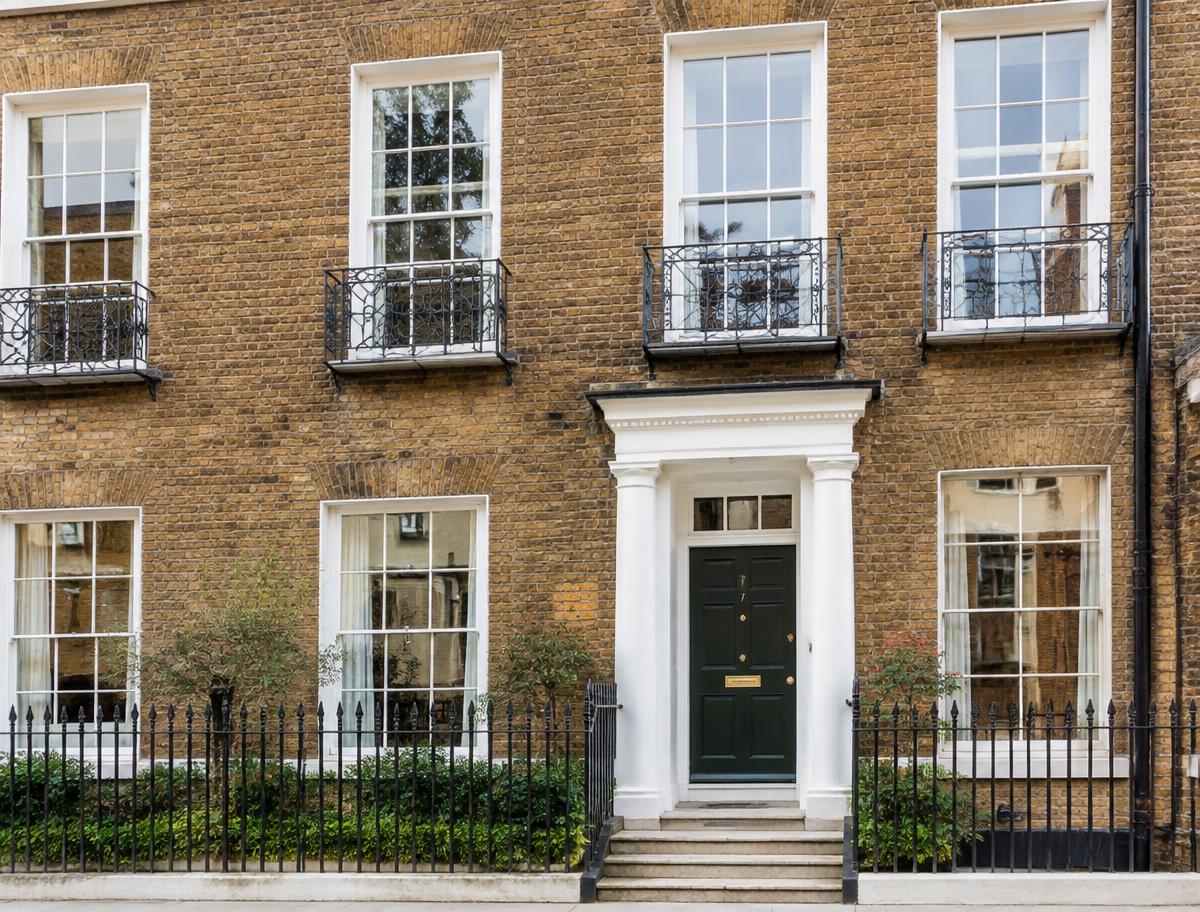
Heritage & conservation
Consent turns on significance: what matters about the building, and how your proposal affects it. We survey the fabric, research the listing and its history, and design changes that can be justified in heritage terms — which is what conservation officers respond to.
Listing entry, history, fabric and features assessed to establish what is protected and why.
Proposals and a written justification prepared for the conservation officer.
Application, pre-application discussion where useful, conditions and detail on site.
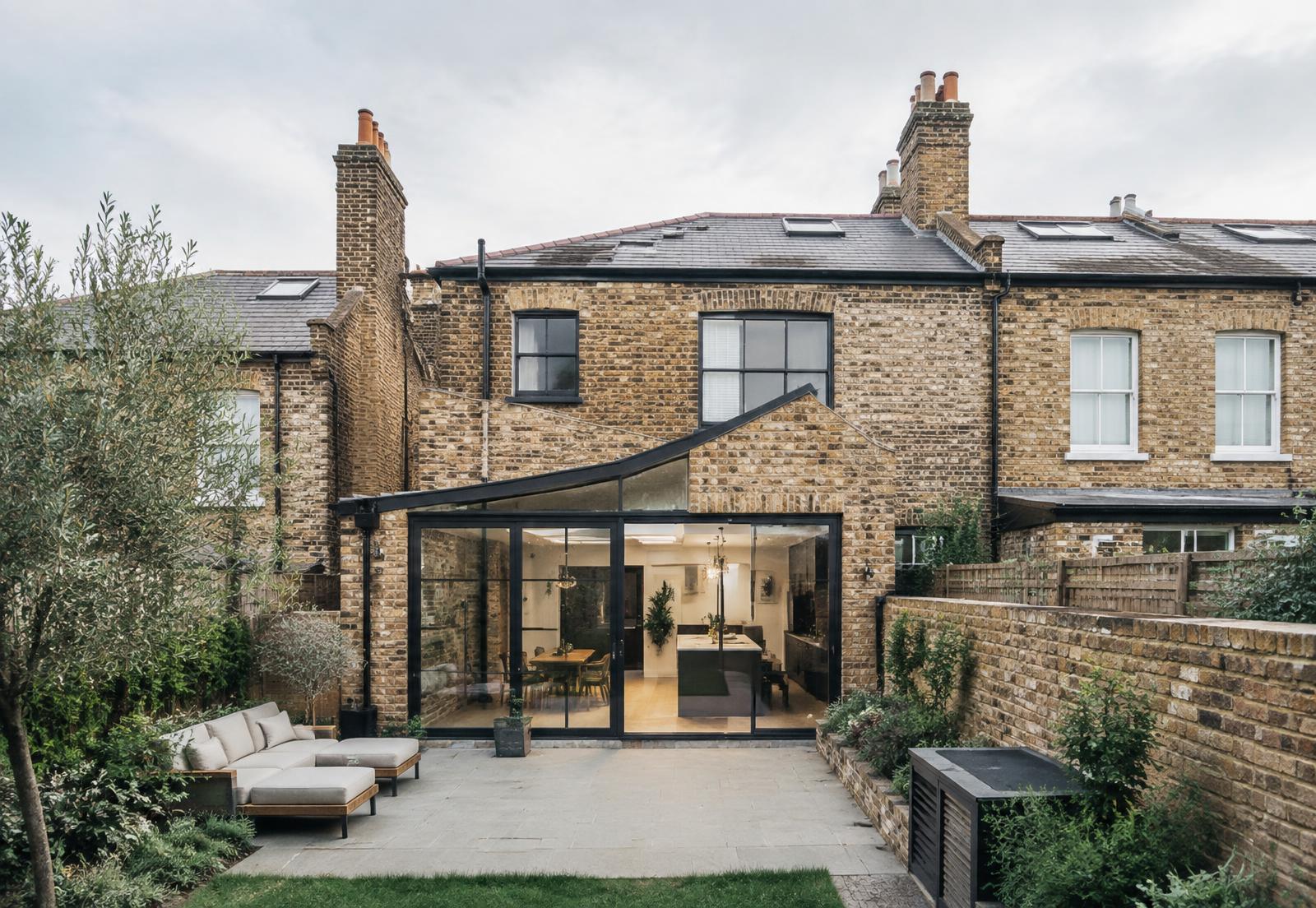
“A listed building deserves patience and precision — that is where we do our best work.”
Listed building consent is a separate permission, granted under the Planning (Listed Buildings and Conservation Areas) Act 1990, needed for any works that affect the special architectural or historic interest of a listed building. It applies to the whole building inside and out, and often to attached structures, boundary walls and outbuildings within the curtilage. It is required alongside planning permission where both apply.
Consent is required for alterations, extensions and demolition that affect character: changing windows or doors, removing internal walls, chimneypieces or staircases, replastering, rewiring routes, new bathrooms and kitchens, roof coverings, rooflights and satellite dishes. It is generally not required for genuine like-for-like repair using matching materials and methods, or for redecoration. The boundary between repair and alteration is where most disputes arise, so it is worth confirming before starting.
Around 92% of listed buildings in England are grade II. Grading does not change the legal test — all grades receive the same protection — it reflects relative significance. In practice grade I and II* buildings attract closer scrutiny and Historic England consultation, while grade II work is usually determined by the borough's conservation officer.
The statutory determination period is eight weeks from validation, and there is no application fee for listed building consent itself, though planning fees apply where a parallel planning application is needed. Consent lasts three years from the date granted unless a condition says otherwise.
Carrying out work to a listed building without consent is a criminal offence, and there is no time limit on enforcement. Where work has already happened, we prepare retrospective applications and heritage justification to regularise the position.
Also need planning permission? See planning applications →
London has over a thousand conservation areas. Even where a building is not listed, an Article 4 direction inside a conservation area commonly removes rights to change windows, doors, roofs and front boundary treatments. We check both designations together before advising.
Explore our services
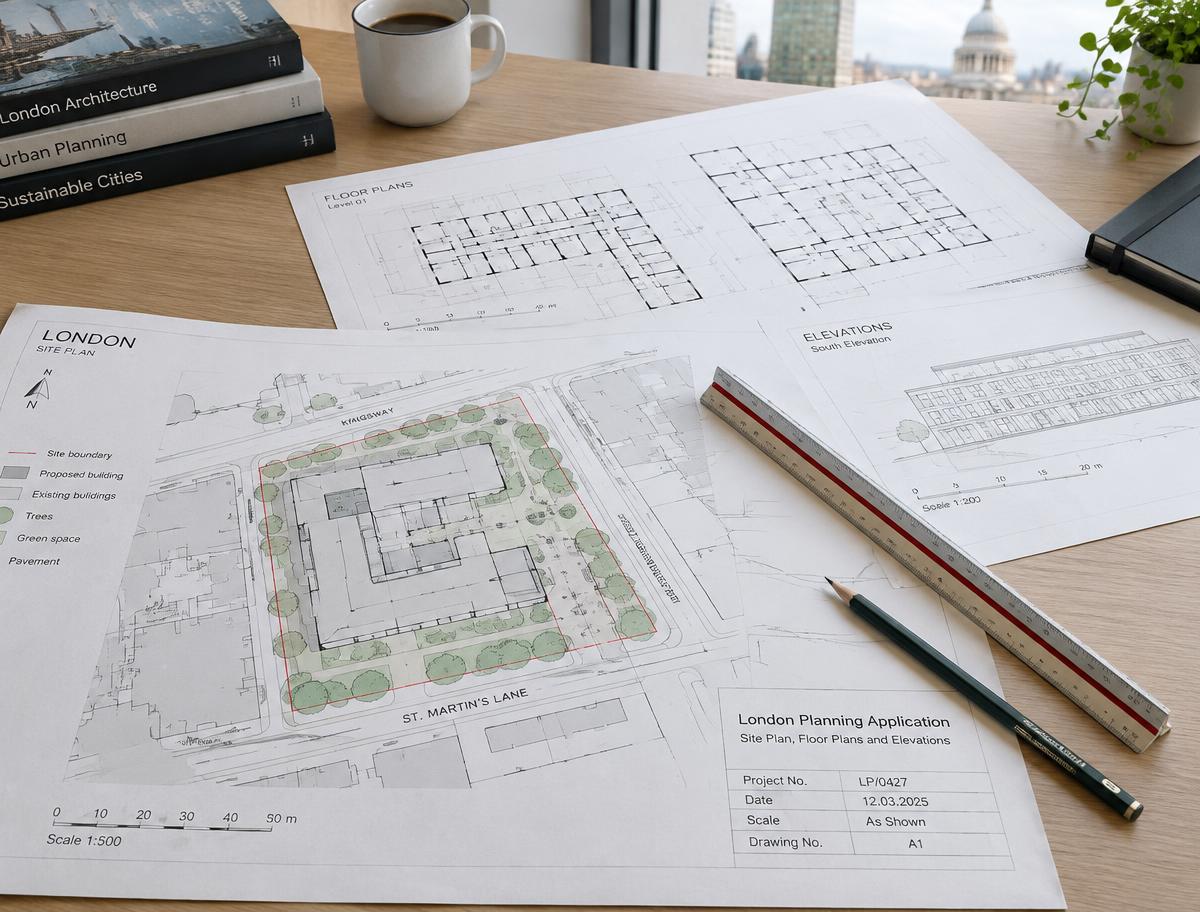
Every application type, in every London borough
Read more →Extra space, light and value for your home
Read more →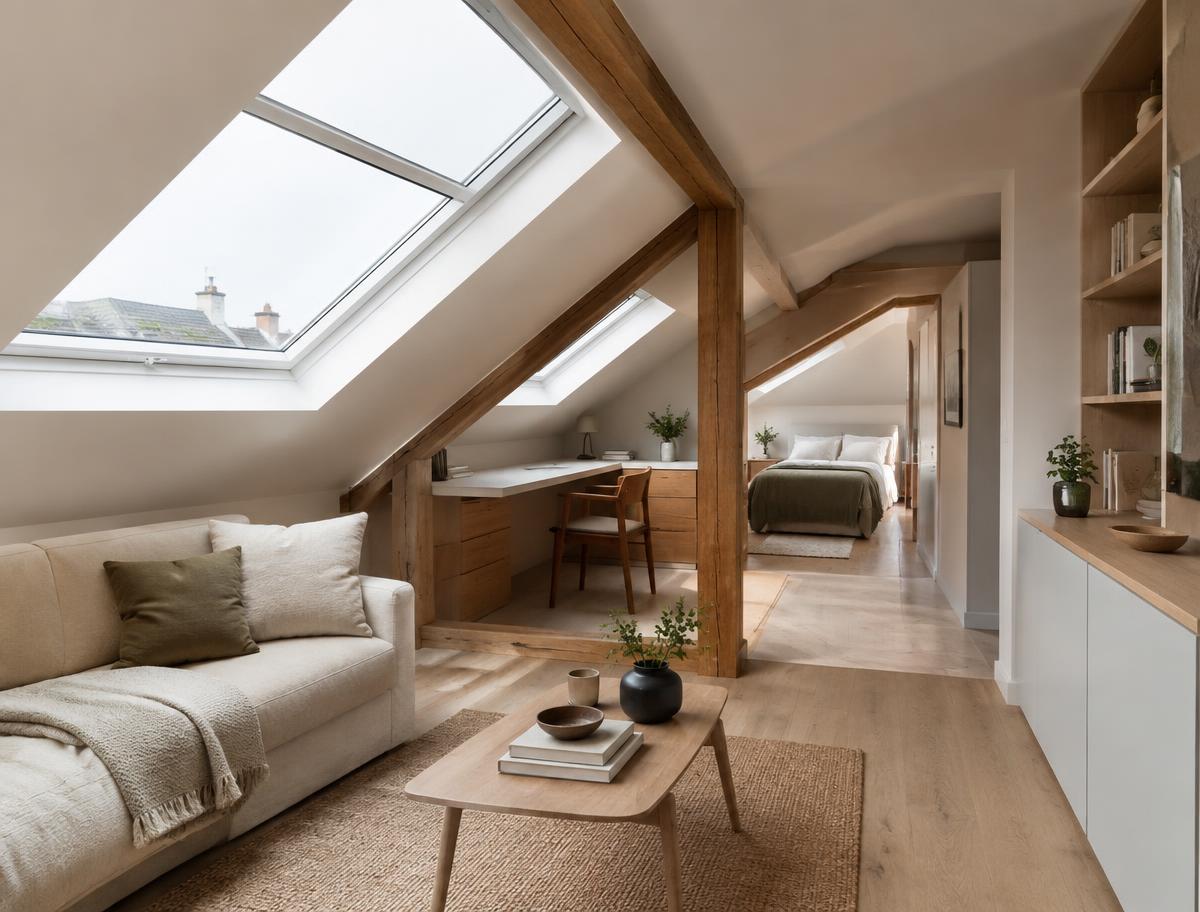
Dormer, hip-to-gable and mansard schemes
Read more →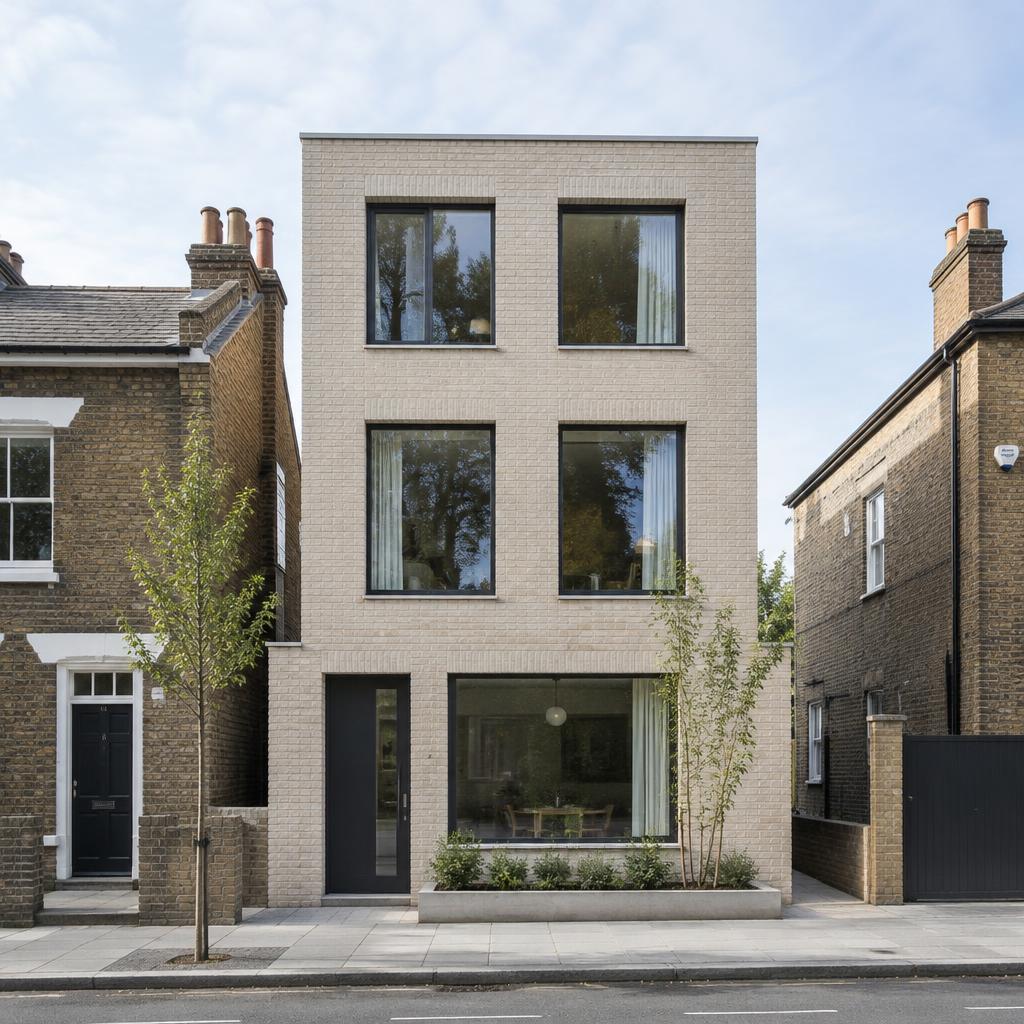
Houses into self-contained flats, for value
Read more →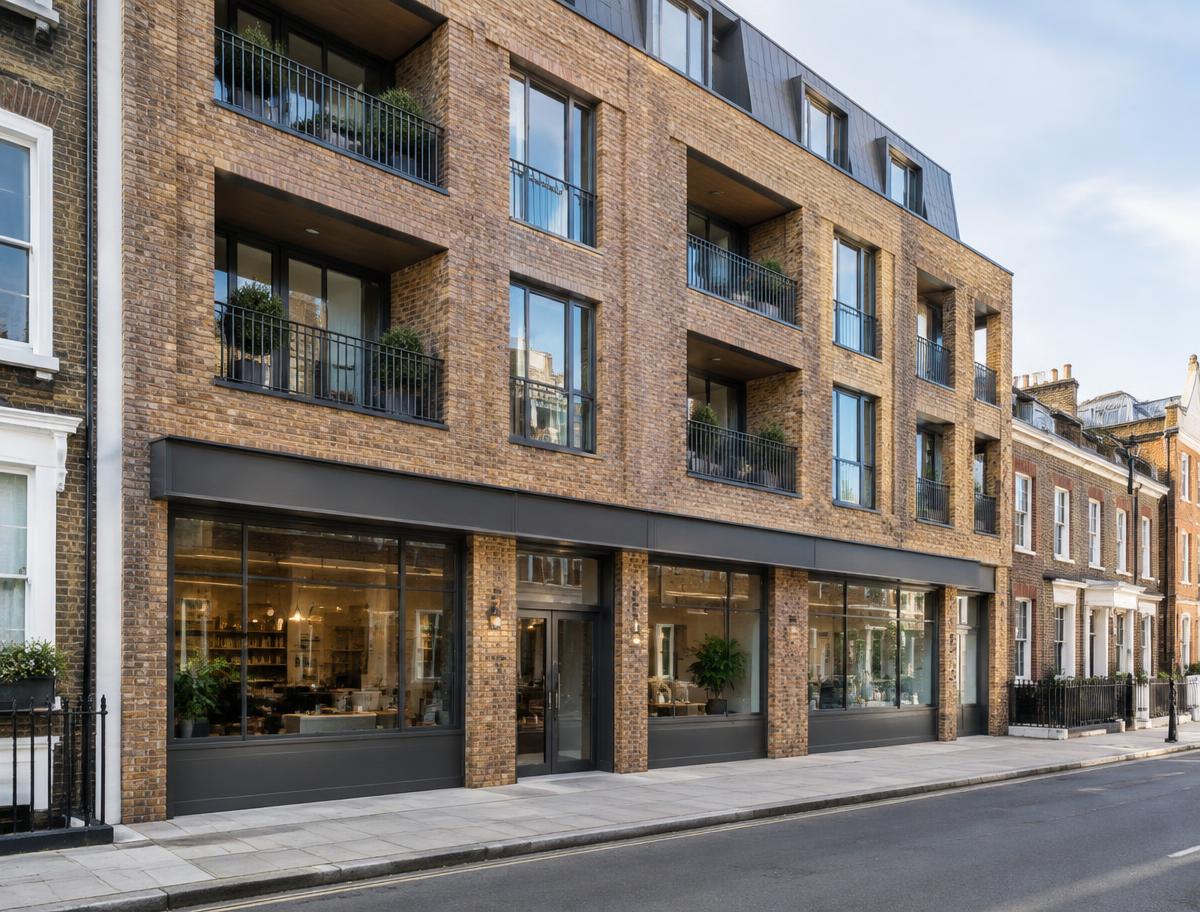
Class MA and use class applications, end to end
Read more →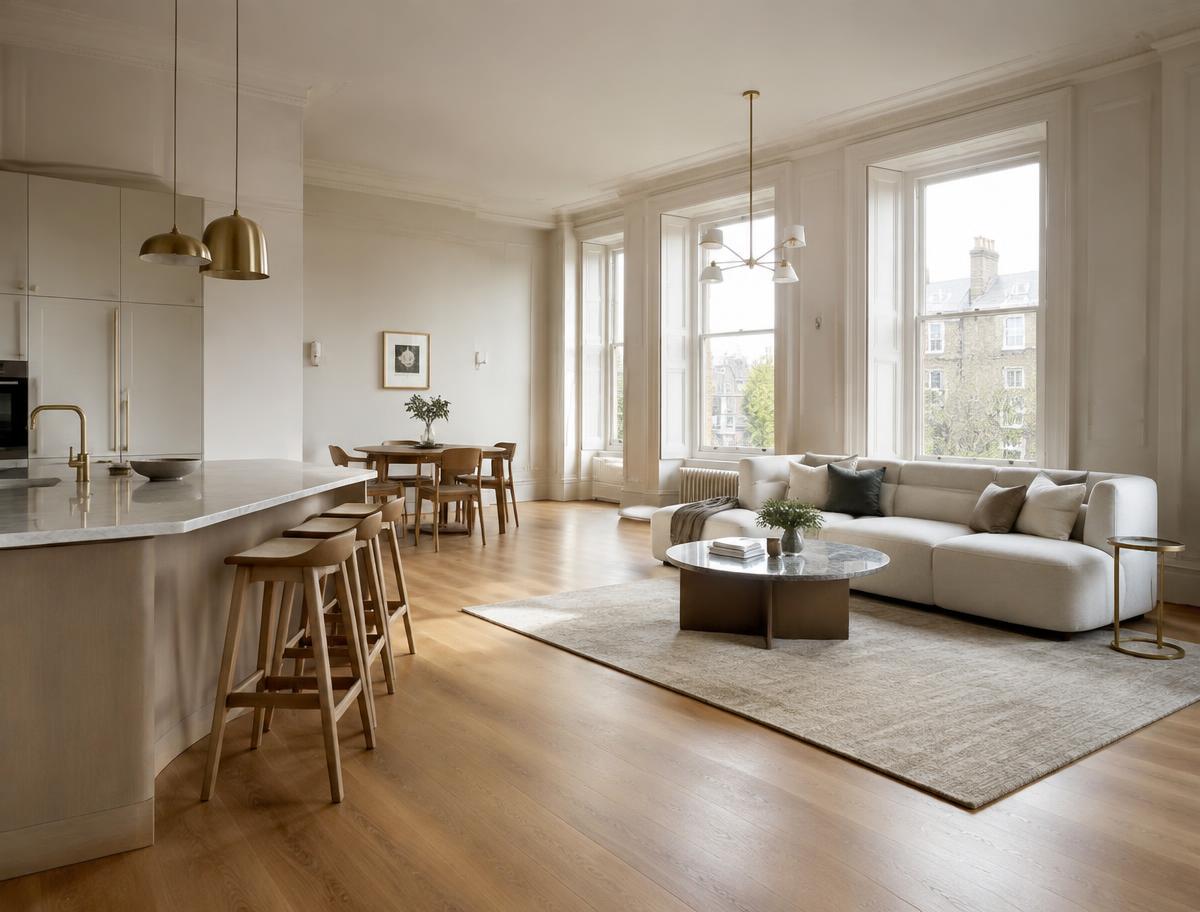
Kitchens, bathrooms and joinery, fully designed
Read more →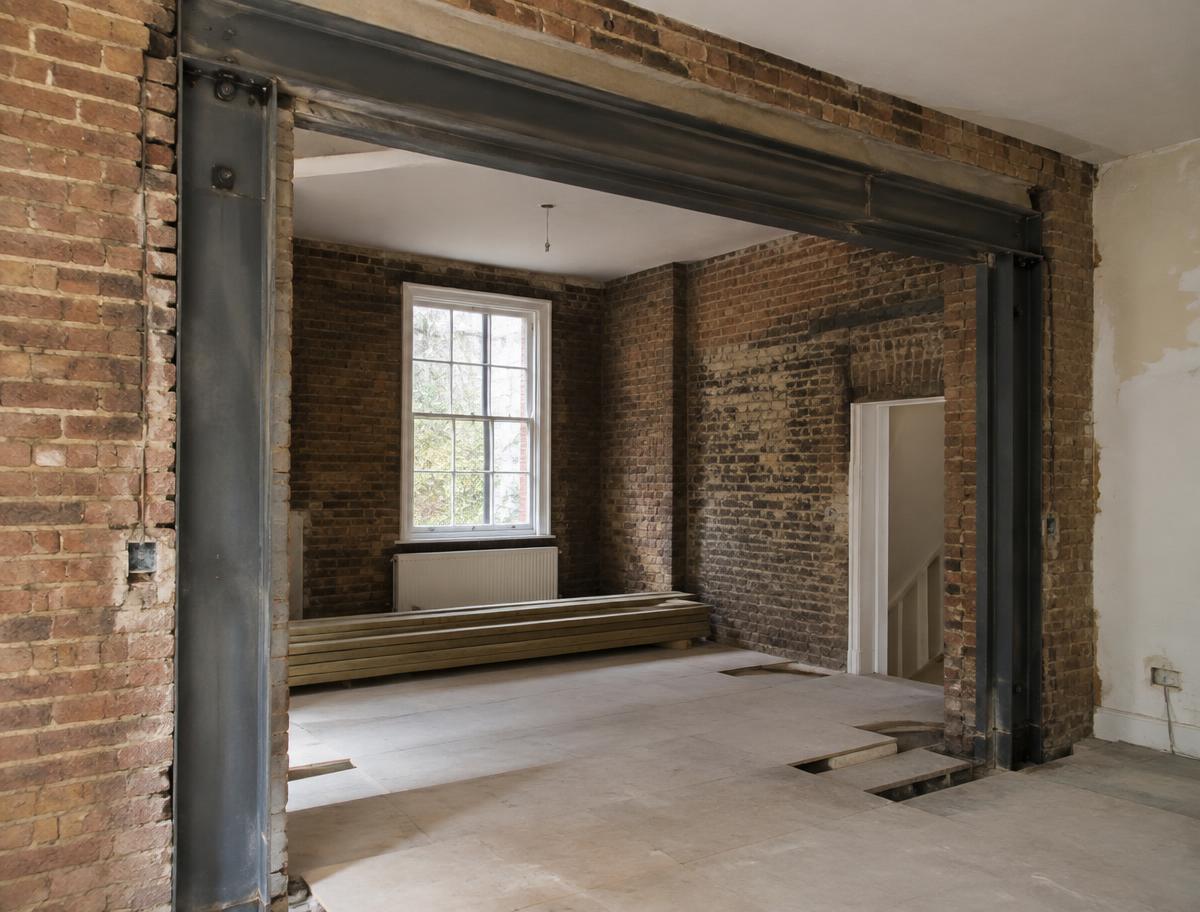
Calculations and steel design, in-house
Read more →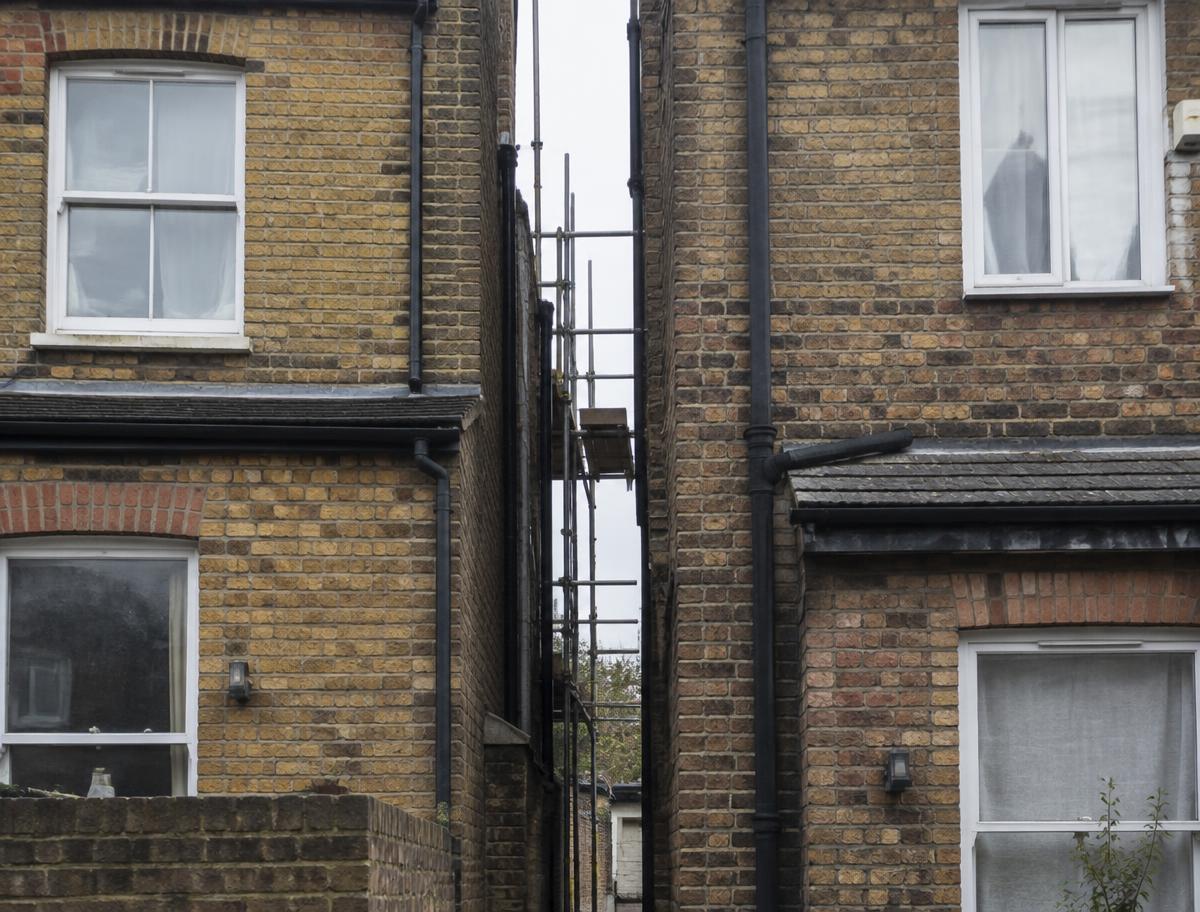
Notices, schedules and awards under the Act
Read more →New homes and infill development, end to end
Read more →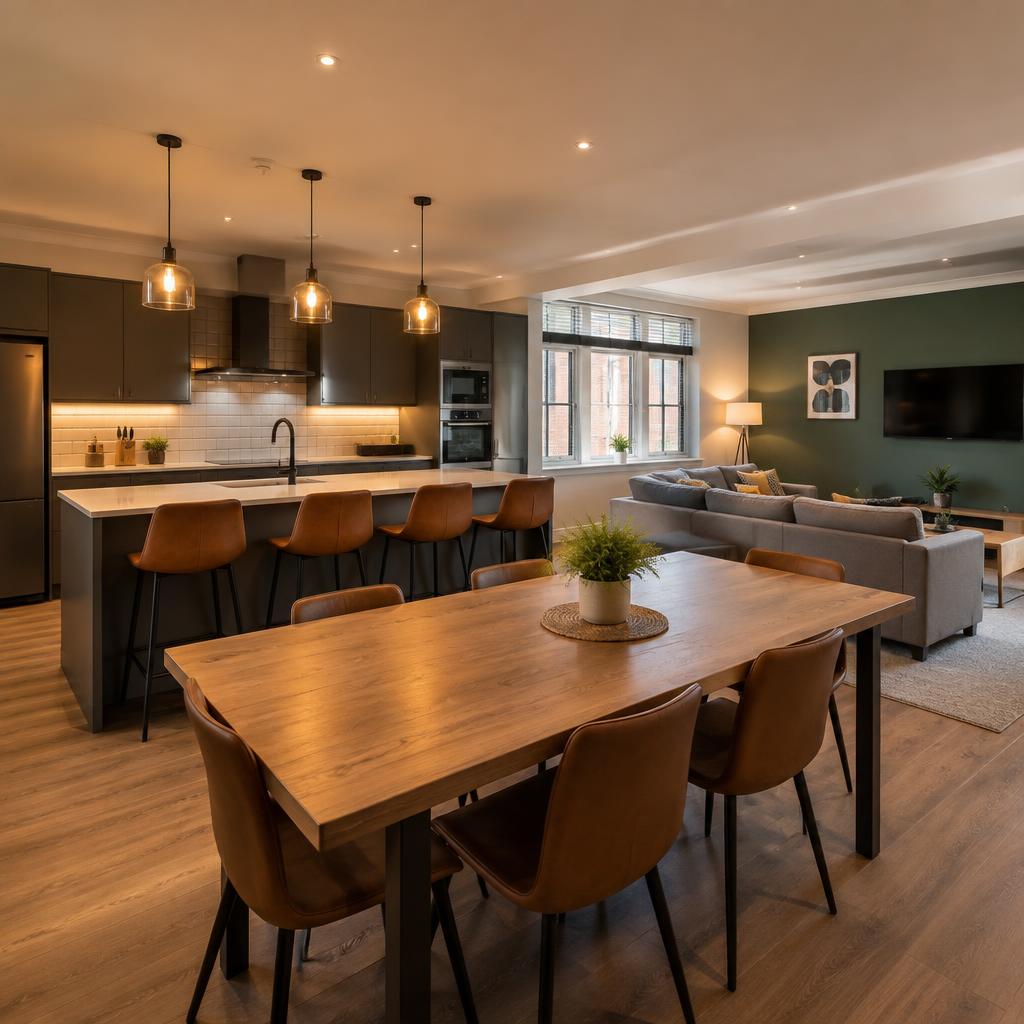
Conversions with decent standards and strong yields
Read more →Change of use, offices, retail and shopfronts
Read more →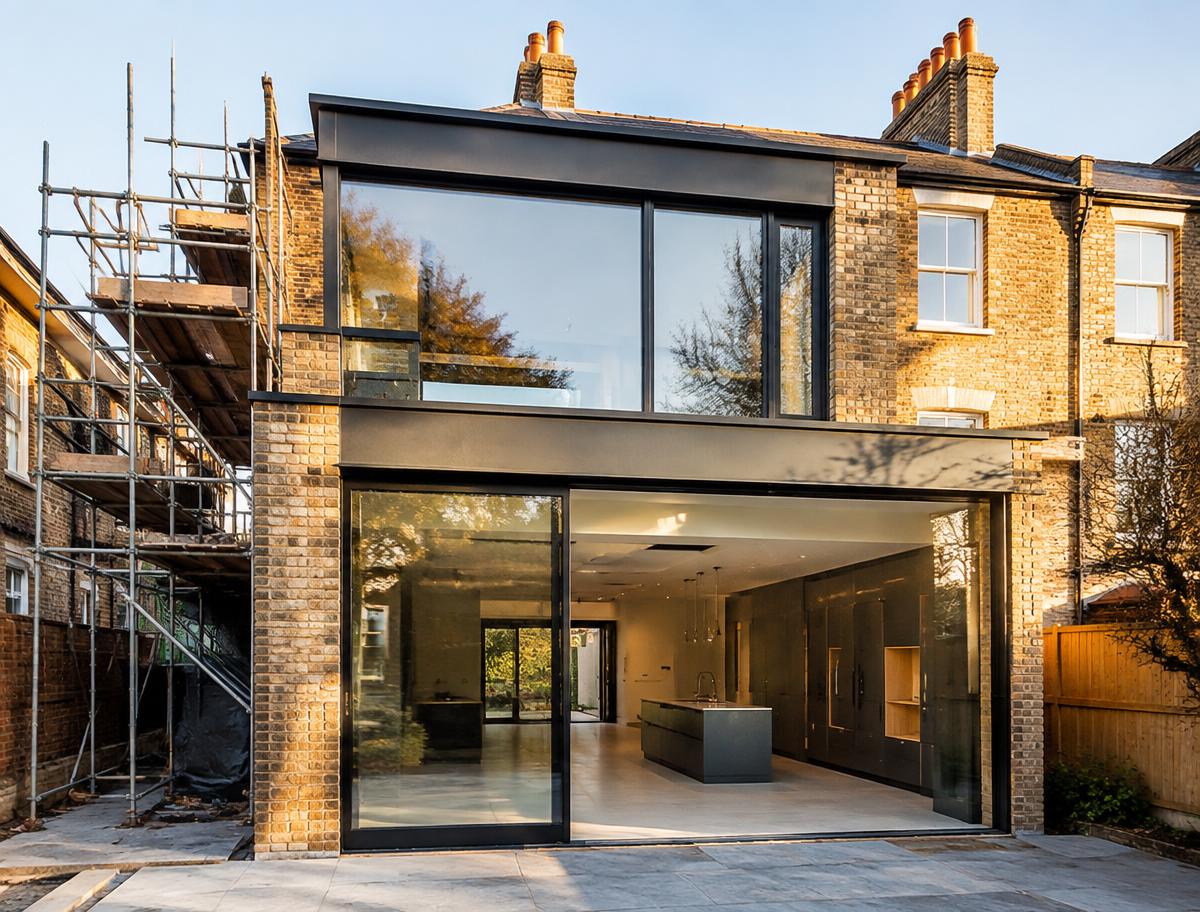
One team, one price — design delivered and built
Read more →Begin a conversation
Tell us a little about your project and we will come back to you within one working day. Prefer to talk? Call us, or email anytime.
info@simplicity-designs.co.uk ↗